
 EN
EN
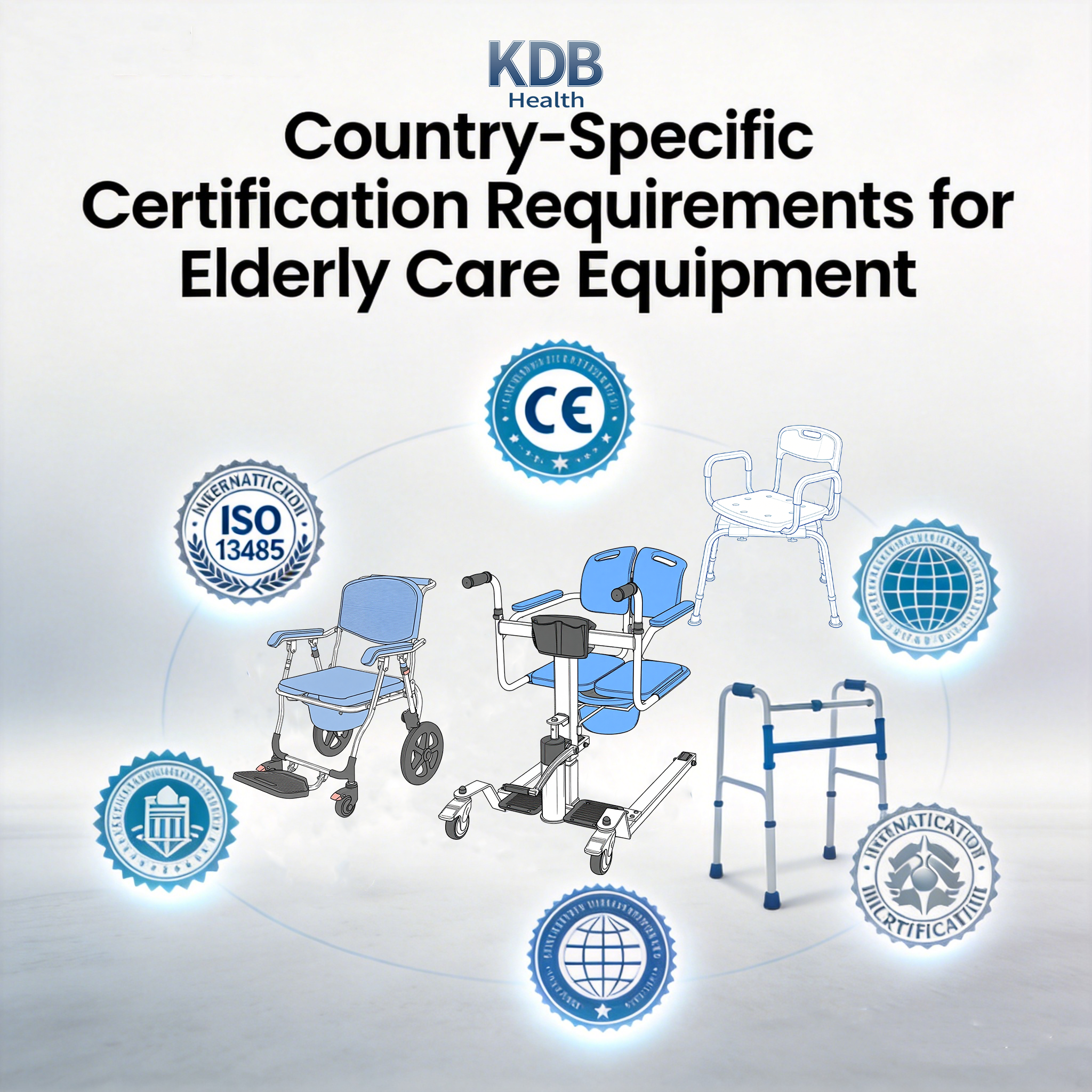
For international importers sourcing elderly care equipment such as shower chairs, commode chairs, patient lifts, and walking aids, navigating regulatory certifications is both a critical responsibility and a significant business challenge. In every of the markets, there are its conditions to guarantee the safety of its products, quality and effectiveness. Otherwise, it can add to the delays in shipments, customs, legal, and reputational losses. It is a realistic analysis paper on the certification standards in the major markets.
Understanding the Importance of Compliant Medical Equipment
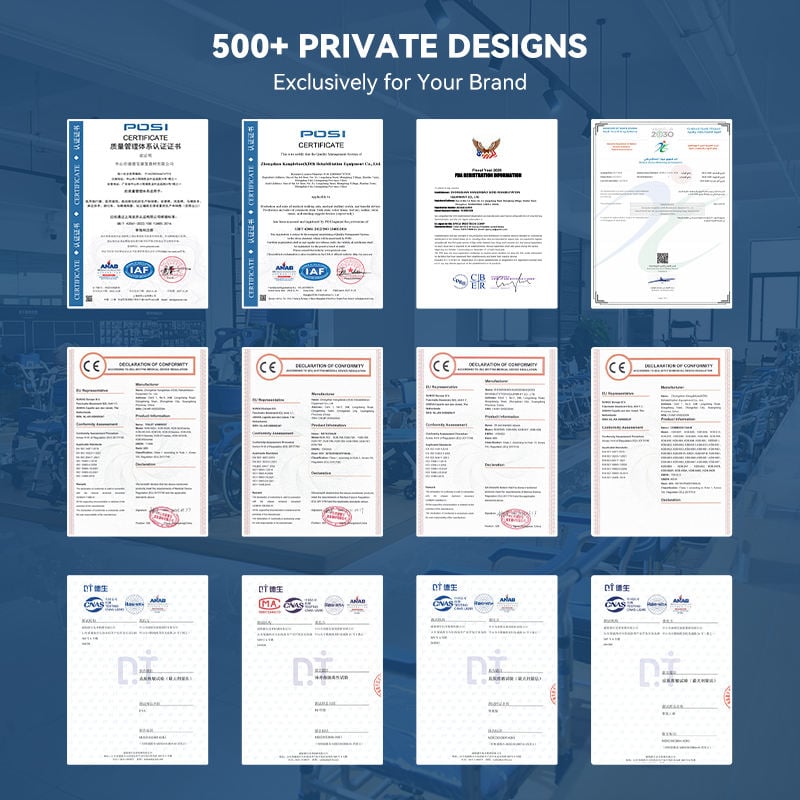
The key of successful international distribution is compliant medical equipment. In this case of aged care products, the conformity directly influences the security of the user because the aged users are not as robust, as well as stable and mentally supporting. A collapsible chair (commode) or a shower chair with an insufficient slip resistance to support the weight of a person can severely injure a person. The regulatory systems and importers who consider compliance as the end goal alleviate these risks in order to protect their customers, brand image and sustainability.
United States: FDA Regulations and ANSI/AAMI Standards
In the USA, much of the equipment used in the sphere of aged care belongs to the category of Class I or II medical devices. Class I devices involves establishment of registration, list of devices and practising good manufacturing practices. Class II devices can be 510 (K) premarket notified to prove substantial similarity to a predicate device. Voluntary standards like ANSI/AAMI are also in existence that deal with stability, loading capacity and durability. The importers also get encouraged to trade with the manufacturers who may already have the documentation that they have passed the standards.
European Union: CE Marking Under MDR
CE marking is required by the Medical Devices Regulation (MDR 2017/745) that covers EU since May 2021, i.e., its requirements are stricter. The use of conformity assessment procedures based on classification requires elderly care subjects to be subjected to equipment evaluation. Where necessary, the importers must ensure that the suppliers are certified by an authorized body as CE. The Declaration of Conformity, technical files and the clinical evaluation reports are the most vital documents. MDR also increases the post market monitoring requirements of the company.
Australia: TGA and MDMA Standards
Medical apparatus in Australia is controlled through Therapeutic Goods Administration (TGA). Majority of the aged care equipment will be registered in the Australian Register of Therapeutics Goods (ARTG) and must adhere to Essential Principles. Australia can be matched to foreign standards on the same wavelength as well as be CE, FDA or MDMA as compared to registration. The importers will make sure that the suppliers furnished an entire technical documentation in form of the certification of the ISO 13485 and the specific test reports of the product.
Canada: Health Canada and Medical Device Licensing
Medical device licences (MDL) are needed on the Class II, III and IV devices by the Health Canada. The most frequently used equipment in elderly care is the Class I or II items that include patient lifts or commode chairs. Class I involves licensing establishment and Class II involves filing of MDLs to prove safety and efficacy. The suppliers, with which the importers will work, will be the ones, which can provide the documentation and evidence of compliance with the CAN/CSA standards, which will be Canadian-specific.
Navigating B2B Cross-Border Compliance
The importers must act in a strategic way as they possess numerous markets to trade. The certification of the ISO 13485 has achieved very great popularity and this fact testifies that the manufacturer is subject to quality management. Joining other markets, only incremental paperwork of products of CE, FDA, or MDMA standard are usually requested. The importers need to collaborate with manufactures possessing complete package of compliance and able to deliver market specific documentation at the right time.
Best Practices for Importers
To achieve the target sourcing, the importers would conduct due diligence research of the manufacturing partners, including the ISO 13485 as well as inspection of the specific product tests. They must demand documentation at the early phases during the negotiations e.g. certificates, declarations and technical files which relates to the target markets. This compliance divide will be avoided by the progressive communication with manufacturers regarding the amendments in regulations, e.g. EU MDR. In case of a more complex market, regulatory consultants can be hired in order to decrease the time-to-market and minimize risks.
Conclusion
The success of entering the market and developing it will depend on the knowledge of the country-specific certification requirement. The risk to the importer can also be minimized through complying tests of the medical equipment and ensuring their brand image and creating a lasting relationship with the responsible manufacturers through the compliance testing, the relevant and applicable standards of the tests, such as CE, FDA, and MDMA tests, and the methodical approach to the cross-border compliance. KDB Health is prepared to render support to the importers with the intricate regulatory settings since the quality framework has been certified to be ISO 13485-qualified and responds to the global outline.
Table of Contents
- Understanding the Importance of Compliant Medical Equipment
- United States: FDA Regulations and ANSI/AAMI Standards
- European Union: CE Marking Under MDR
- Australia: TGA and MDMA Standards
- Canada: Health Canada and Medical Device Licensing
- Navigating B2B Cross-Border Compliance
- Best Practices for Importers
- Conclusion