 EN
EN
For consumer brands, e-commerce sellers, and healthcare distributors, rehabilitation and home healthcare market represents massive growth opportunity. However, entering this space with generic, unbranded product is no longer sufficient. Today’s discerning buyers, whether hospital discharge planners, home care nurses, or family caregivers, seek trust, consistency, and clear value proposition. This is where private label medical equipment becomes strategic lever. By branding high quality rehabilitation aids under your own name, you capture customer loyalty, command premium pricing, and differentiate yourself in crowded marketplace. But how do you build product line that genuinely competes? This guide outlines theroadmap for brands looking to develop, source, and scale their own labeled rehabilitation solutions.
Why Private Label? The Strategic Advantage
In space of medical devices, private label gives you ownership of your brand, extending it from your logo printed on side of box, to packaging and styling, instruction manuals, and customer support that you provide. Brands that plan to primarily leverage Amazon can also uniquely feature products on platform’s product listing, acquire private reviews, and construct defense around their brand to slow copycats.
Perhaps more importantly, private label medical equipment offers ability to customize equipment to particular niche. You don’t just have to stock another standard shower chair; with private labeling, you can create an anti microbial coating in your bariatric option that doesn’t require tools for assembly, which could be targeted towards patients in at home recovery and would lead to better conversion rates. Price sensitivity becomes less of factor when users can clearly see how equipment addresses their specific needs.
The Foundation: Partnering with the Right Manufacturer
It all hinges on your manufacturer, choosing right manufacturing partner. Every private label brand lives and dies by their manufacturing partner. Not all factories are built equal, but in regulated industries like healthcare, no compromises can be made. Here’s guide on key considerations for choosing an sourcing OEM healthcare products supplier:
Regulatory Compliance & Quality Systems: Make sure your reputation isn't built on safety flaw. Demand that you have manufacturer with ISO 13485 accreditation. This indicates proven, quality managed approach to design, production and distribution. Make sure you also purchase underlying product(s) that have been granted their own CE mark and FDA approvals for faster to market time & liability cover for you.
R&D and Customization Depth: A true OEM partner co-builds, not just manufactures. Look for partners with in-house engineering teams capable of redesigning products—from adjusting commode weight capacity to developing new foldable walkers. With rapid prototyping, you could have working prototype in as little as 15 days.
Manufacturing Scalability: You might launch brand by testing waters with pilot run of 500 units, but as your brand grows in popularity you could soon find yourself fulfilling orders in thousands. This means that, once you scale up, you should be confident that your partner has facilities, capacity and supply-chain flexibility to keep up, without compromising consistency your customer base expects.
Selecting Your Product Portfolio: Where to Start
Rehabilitation products market is broad. For private label, focus on best sellers and clinical essentials with consistent demand. Considering how much consumers are willing to pay and how easy product will stick out among other sellers, my advice would be to focus in on following product ranges for you new business:
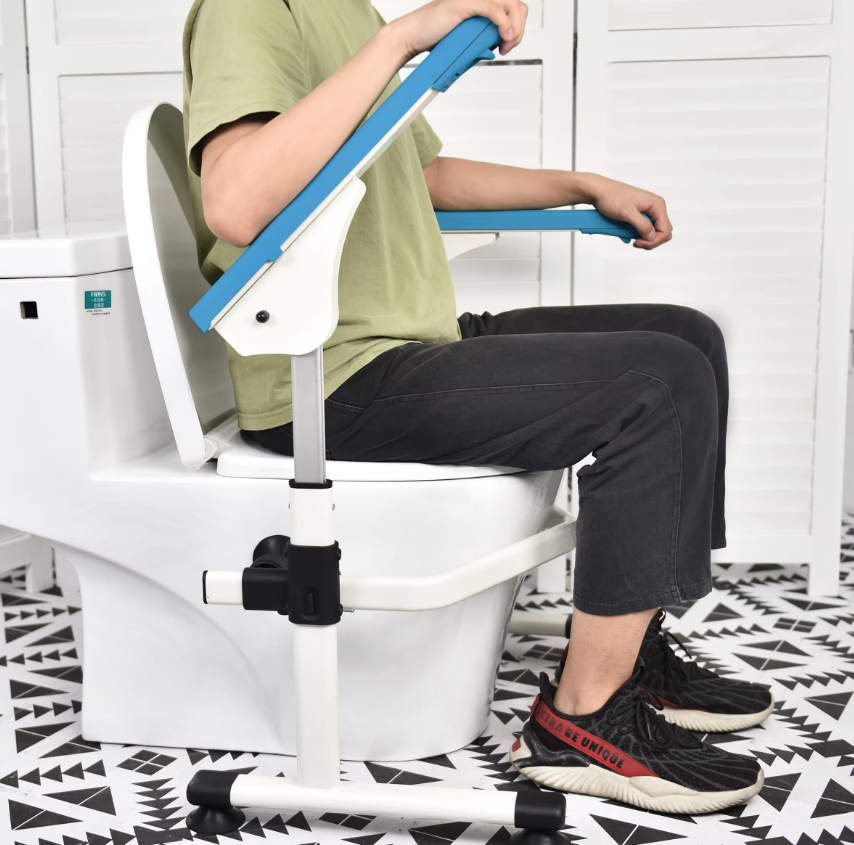
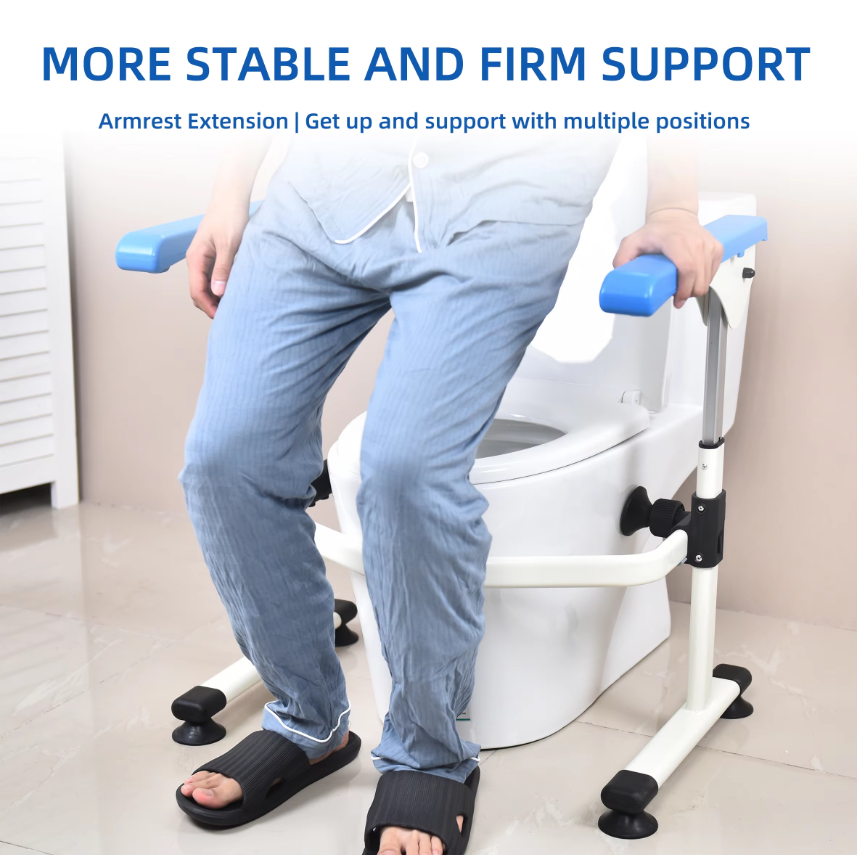
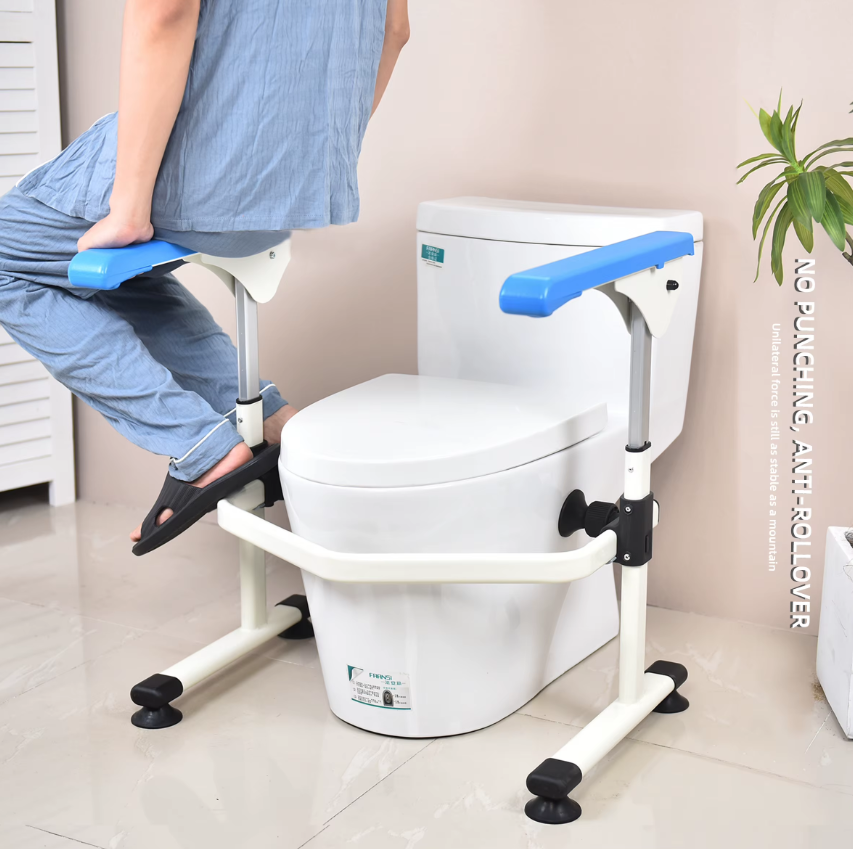
Bathroom Safety (Shower Chairs, Toilet Seat Raisers, Bath Stools): These are front-end products that get reordered very often, you want something you can stand out with using; colors, easy install, tool less assembly or better slip free feet.
Commode Chairs (3-in-1 Multi-Function, Bariatric, and Wheeled Models): These are sold in bulk to hospitals and home care agencies. A private label brand can compete by being more user friendly (using seats and armrests which offer more cushioning and better ergonomics) or on mobility (with higher quality wheels that roll smoothly and include locking features).
Walking Aids (Rollators, Walking Frames, Crutches): Features such as lightweight material (aluminum alloy) and foldable design should be important competitive factors. Availability of add ons such as carriers and cup holders for extra fee would also add customer perceived value.
Patient Lifts and Bedside Rails: These are often highermticket items that will have heavy duty engineering behind them. These goods will use branding to identify that they are reliable and that safety will be of utmost importance for trusting providers.
Designing for Brand Equity and User Experience
With working brand for your manufacturing facility finalized, there's now task of injecting this identity into your own branded rehabilitation equipment. It's more than just colors and logos:
Ergonomic and User-Centered Design: You can then optimize handgrip’s angle as well a back support and seat height. There isn’t just one “correct” height of shower chair or walking frame; adding mere 2cm to or subtracting some from original, or adapting shape and curvature of seat, could be clincher, especially if individual suffers from arthritis or has lower upper body strength.
Packaging and Unboxing: For D2C channels like Amazon, packaging is your silent salesperson. Include clear, multilingual instructions and QR codes linking to video assembly guides. Consider eco friendly materials for added appeal.
Clinical Collaboration: Ideally get occupational therapists or physiotherapists involved throughout design process. Endorsement, even 'Unofficial', goes awfully long way for your branded product line.
Navigating Regulatory and Market Entry
Dealing with Regulations, one of biggest hurdles when it’s new OEM (private label) brand. A capable partner would help you out technical file and your device user manuals as well declaration of conformity. Additionally, don’t forget:
Amazon-Specific Requirements: For Amazon sellers, ensure your products meet all relevant Amazon policies and have supporting documentation—such as ASTM certification for walkers or FDA listing for medical devices. Partner working with expert e-commerce development team can assist with all aspect to listing creation to ensure bullet points as well as images meet required policy.
Regional Variations: If you're considering going to Europe, CE marking as per MDR is must. In US, FDA approval, as well as accessibility requirements (ADA) will need to be addressed (especially for ADA-compliant devices). Seek well versed OEM that is in touch with these regional regulations.
KDB Health works to empower your brand. With distinct specialized units (KDB Medical for heavyweight manufacturing and sangohe for lightweight and usermfriendly manufacturing), our fully integrated, end-to-end OEMs/ODMs, have ability to work closely with you from start-to-finish on your vision and bring prototype to life within 15 days. Meanwhile, KDB’s ISO 13485 facility works tirelessly on inside so your end products are always stamped with your logo and are CE and FDA compliant products. Whether you’re envisioning comprehensive series of bariatric commode chairs, diverse assortment of walkers or new family of lightweight, smart ergonomic rollators, our manufacturing prowess and e-commerce readiness are capable of creating loyal, and profitable, medical supply brand. Build rehabilitation brand with KDB Health, you deserve best.