 EN
EN
The global commode chair market is projected to grow from USD 589 million in 2025 to approximately USD 876 million by 2032, at a compound annual growth rate (CAGR) of 5.83%. Out of all sub-markets in global commode chair market bariatric commode chairs offer a lucrative growth opportunity to medical distributors to drive sales in following years. Owing to the surging prevalence of obesity across the world that continues to affected 1 billion global adults on a regular basis, and the world’s growing elderly population segment demanding comfortable home care settings.
In order to harness this market swing into profitable opportunity, distributors can leverage their knowledge of the engineering requirements that differentiate high quality bariatric commode chairs and find manufacturing partners to fill their need to offer an exceptional bariatric commode chair offering.
Engineering Imperatives for Bariatric Commode Chairs
Structural Integrity and Weight Capacity
A defining attribute of the bariatric commode chair is its strong construction to ensure safe use from users with overweight concerns. Traditional commodes, in the industry, often have weight supports capacity under 130kg. Bariatric versions, on the contrary, can withstand weights starting from 300 lbs (approx. 136 kg) up to 1,000 lbs (approx. 454 kg) and even higher. Current top products from companies provide the capacities up to 294kg (approx. 648 lbs) to 318kg (approx. 700 lbs).
The engineering challenge is achieving sufficient strength without compromising ease of use. The basic construction involves thick powder coated, high grade steel tubing, however the frame geometry has to be so designed that it adequately distributes all the loads that the commode chair might ever be subjected to throughout its use, including the weight during transfer between bed and chair or wheelchair and chair. For any distributors comparing one supplier to the next one non-negotiable and important quality check before purchase is to look for proof of independent load testing for the chair they are contemplating purchasing.
Ergonomic and User-Centered Design
In addition to pure force and effectiveness, an excellent piece of bariatric care equipment would take into consideration user’s dignity, comfort, as well as caregiver protection. Key features include:
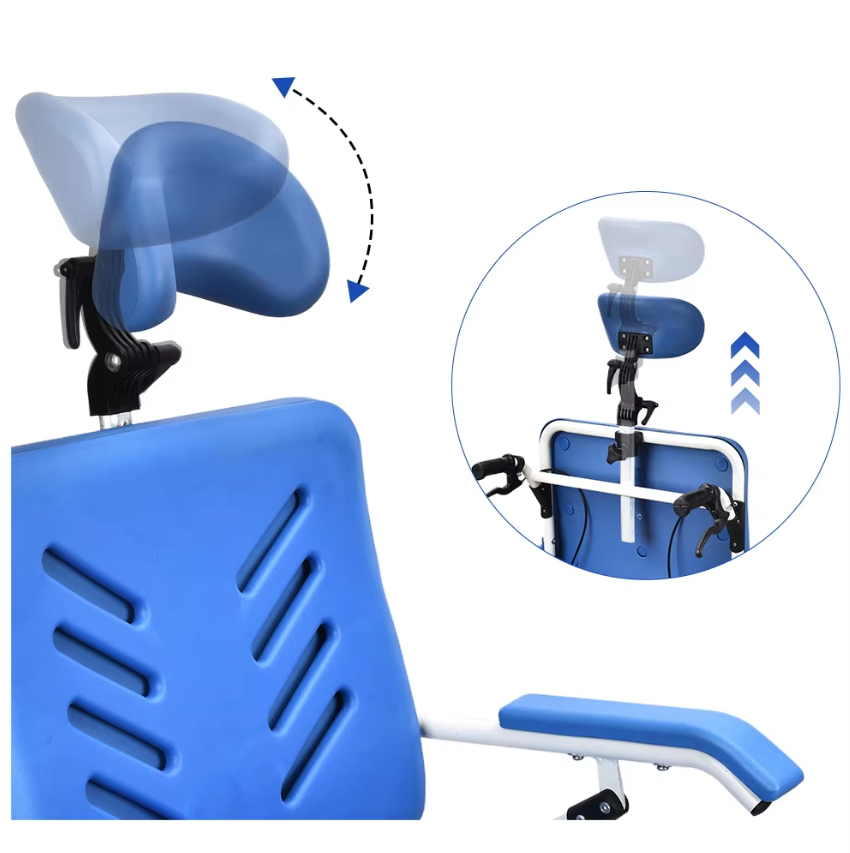
Wider, deeper seating surfaces: commodes for bariatric users also come with wider seats in order to adequately support the user’s body in a comfortable and relaxed manner. The sizes offered range from 61 cm up to 77 cm in width.
Reinforced, padded armrests: Drop arm or detachable arms allow for easier and safe transfers in the lateral direction thereby placing less stress on the caregivers and decreasing chances of falling.
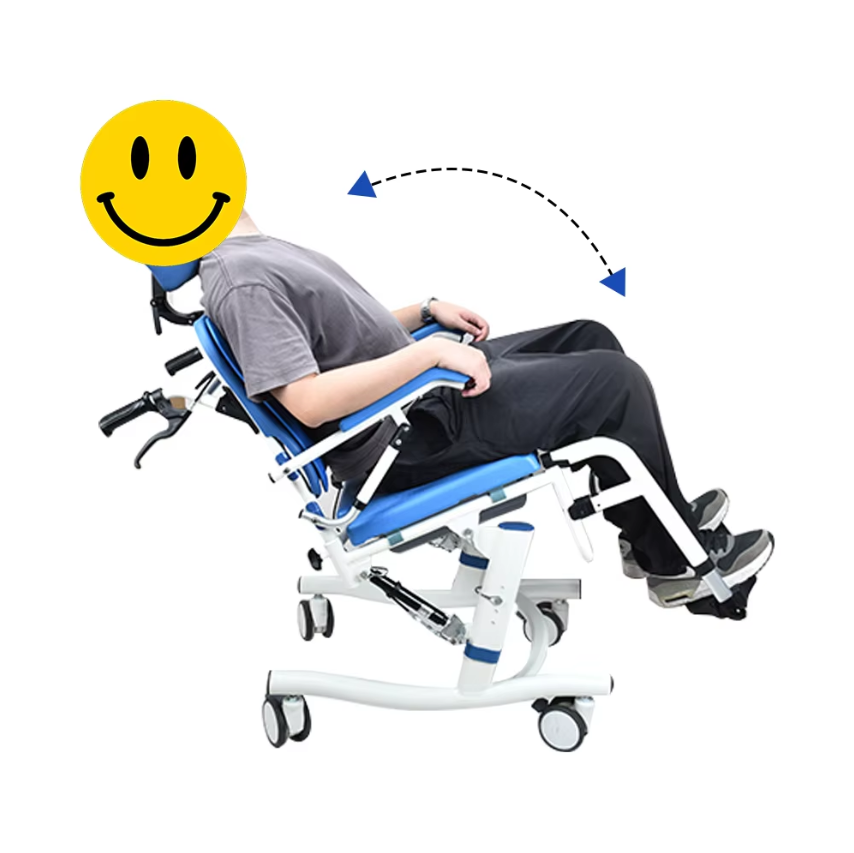
Adjustable seat heights: Available with adjustable height frames for different heights of the users and toilets, and suitable for a multitude of care situations.
Tool-free assembly and cleaning: Snap-on seats, slide latches, and modular designs are all important for ease of cleaning as is often considered for infections controls in health care.
Regulatory Compliance and Quality Certification
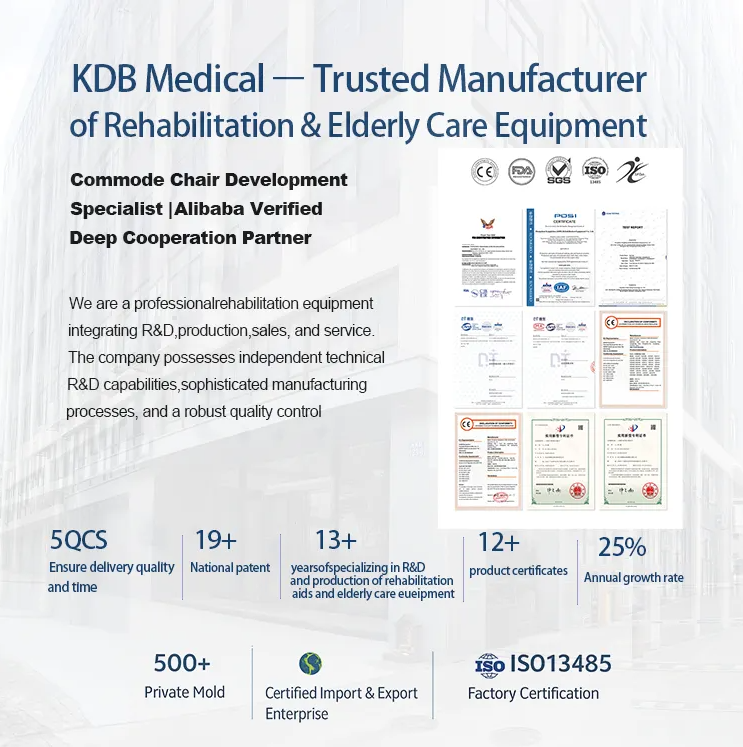
All distributors supplying into worldwide markets have an obligation to ensure full compliance with regulations and codes. Established manufacturers shall work within ISO 13485 certified quality system ensuring the high standard of product throughout manufacture. Products should bear the necessary CE Mark for the European market and be registered with the FDA for North American distribution. Any manufacturer producing a quality product will generally demonstrate such standards by obtaining other certifications such as ISO 14001 for Environmental systems.
Market Opportunities and Strategic Considerations
Demographic Tailwinds
Market trends strongly support the business case for bariatric commode chairs. Population demographic trends present the compelling case for bariatric commode chairs, as one in six individuals in the world will age 60+ by 2030. The increasing rates of obesity throughout the world continue to demand greater attention to accessible and adequate furniture. As hospitals, care centers and individuals focus on the safest and most ergonomically sound chairs possible, double-digit year-over-year sub-segment growth is now being realized for rehabilitative chairs and, specifically, bariatric commodes.
Distribution Channel Evolution
Brick-and-mortar supply houses may have a significant stake in brick-and-mortar DME supply chain operations right now, but online channels are gaining traction. Consumers get access to a greater range of product offerings, greater choice and comparison capabilities, and greater convenience with delivery to their home through a computer interface. Suppliers can jump aboard this channel transition and forge new collaborations with manufacturers that have invested in innovative e-commerce development, in particular Amazon, to capture online purchasers.
Regional Growth Dynamics
The market for bariatric medical chairs is predominantly dominated by the North American region, owing to higher prevalence of obesity in this region coupled with an access to advanced healthcare infrastructure. Europe, the Middle East & Africa, and Latin America also hold considerable shares and are expected to remain significant in the coming years. However, Asia Pacific is expected to emerge as the fastest-growing regional market owing to increasing per capita income, growing healthcare facilities and high awareness among patient care.
Strategic Partnership Considerations
Distributors looking to source bariatric commode chairs from a manufacturing partner should choose those which:
Flexible OEM and ODM capabilities: These options make it possible to create and adjust portfolio, also reflecting particular needs of regional markets.
Rapid prototyping and development: Speed benefits that range from enabling you to turn a concept into a working prototype within as little as 15 days, quickly allowing you to cash in on current trends.
Comprehensive quality systems: ISO 13485 Certification, CE and FDA approval give you more credibility in international market.
E-commerce enablement: The devoted teams that focus on both online sales (including your amazon listings or e-commerce website) also focus on online sales to match today’s buying trends of our customers.
Conclusion
With an aging and increasingly bariatric population, the bariatric commode chair market presents a significant and expanding opportunity for forward-looking medical suppliers. Success requires attention to engineering, regulatory compliance, and quality-of-life design—elements that together form a comprehensive program. Partnering with heavy-duty commode chair manufacturer vendors that possess international regulatory credentials (especially those with ISO 13485 certification of the production quality and facility), coupled with global manufacturing, offers distributors the ability to provide effective, ethical bariatric health furniture supplies across a wide range of countries.