Creating a brand for a small and medium sized distributor can be a sort of catch-22. You have to order in volumes to get the competitive prices, but your capital and warehouse space is limited. Lower minimum order quantities (MOQs) have traditionally been a barrier for small businesses in traditional OEM manufacturing because it requires them to make large volume orders to offset the costs of tooling and setup. The solution? Commodity manufacturing coupled with flexible MOQ policy. This article will delve into the advantages of ODM, why it is a great option for quick market strategies and testing, and how it can help growing brands acquire medical devices with minimal MOQs and margins.

The MOQ Challenge for Small and Mid-Size Distributors
There is a minimum order requirement for manufacturing. Setup (tooling, programming, fixturing) can be hundreds to thousands of dollars for a custom molded plastic part or a proprietary aluminum extrusion. The factories of course will wish to distribute these costs over large batches which equates to MOQs of 500 pieces, 1,000 pieces or 2,000 pieces per SKU.
For an expanding distributor, this poses a lot of challenges:
Capital tie-up: Big orders tie up cash flow which may otherwise be used for marketing or product diversification or warehousing.
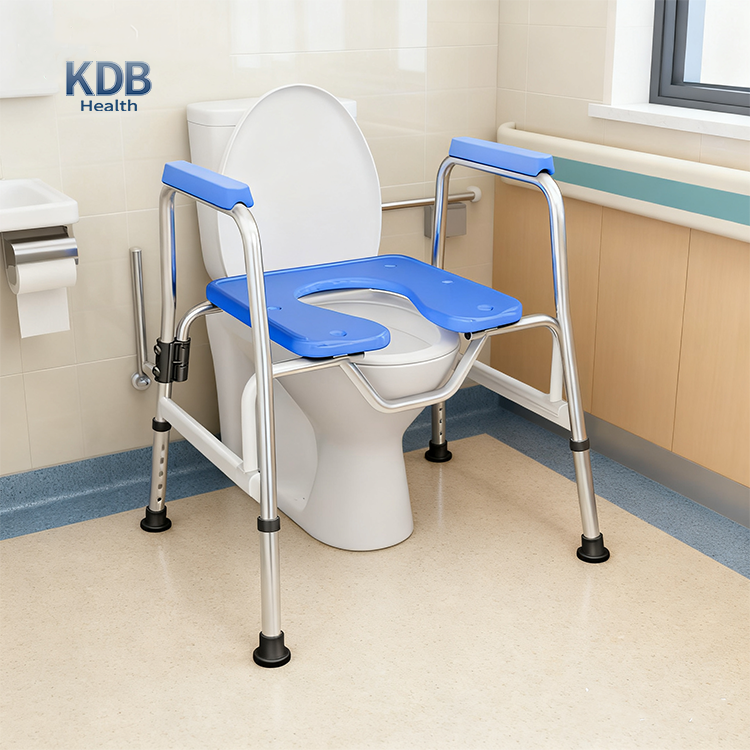
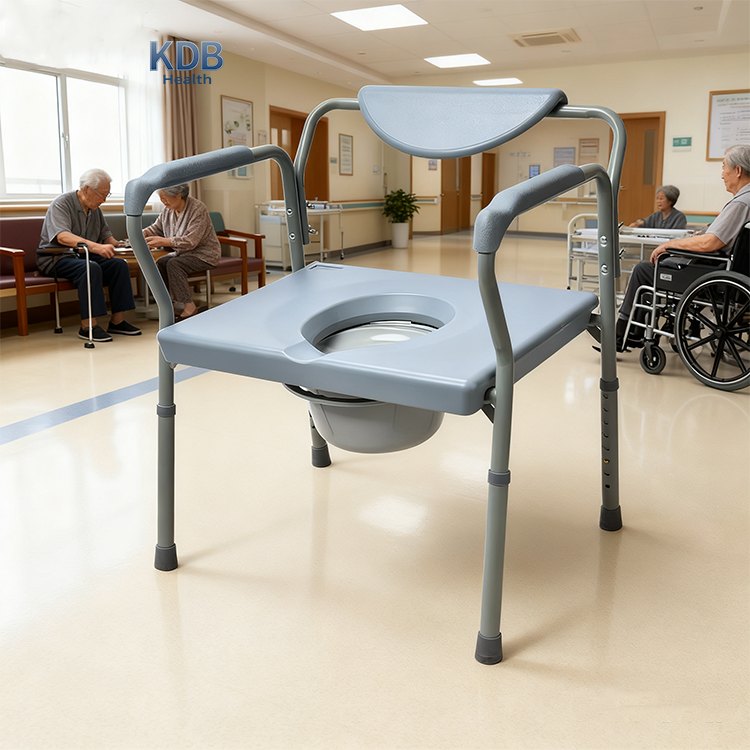
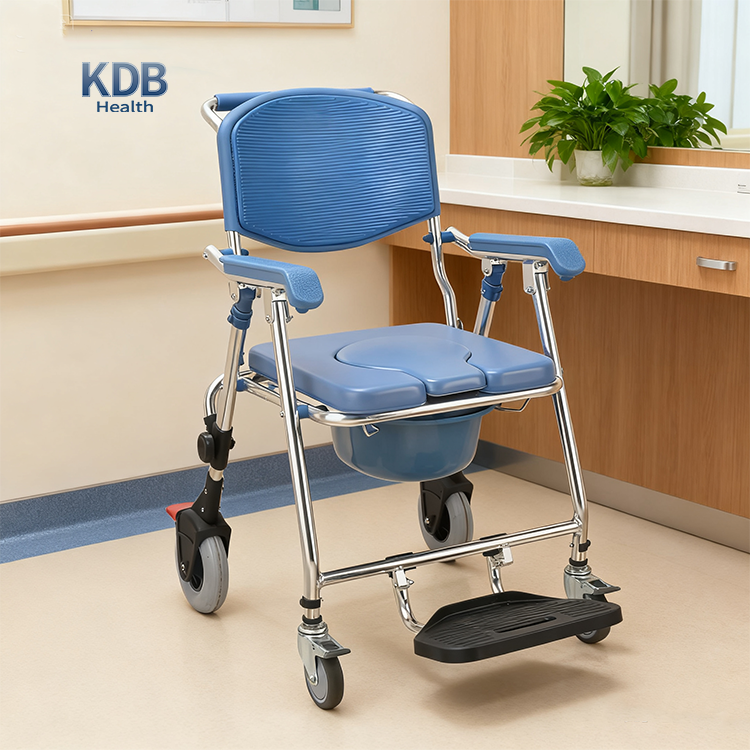
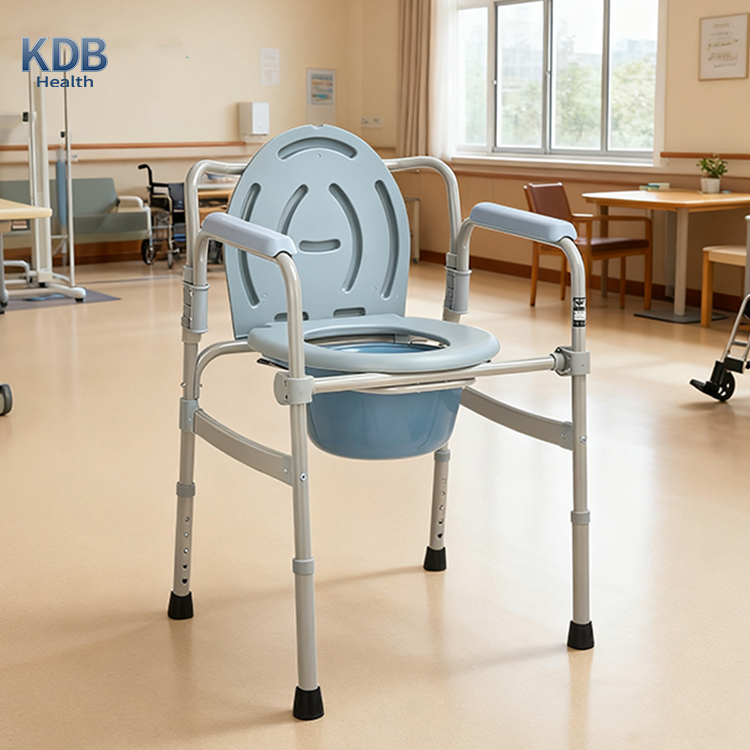
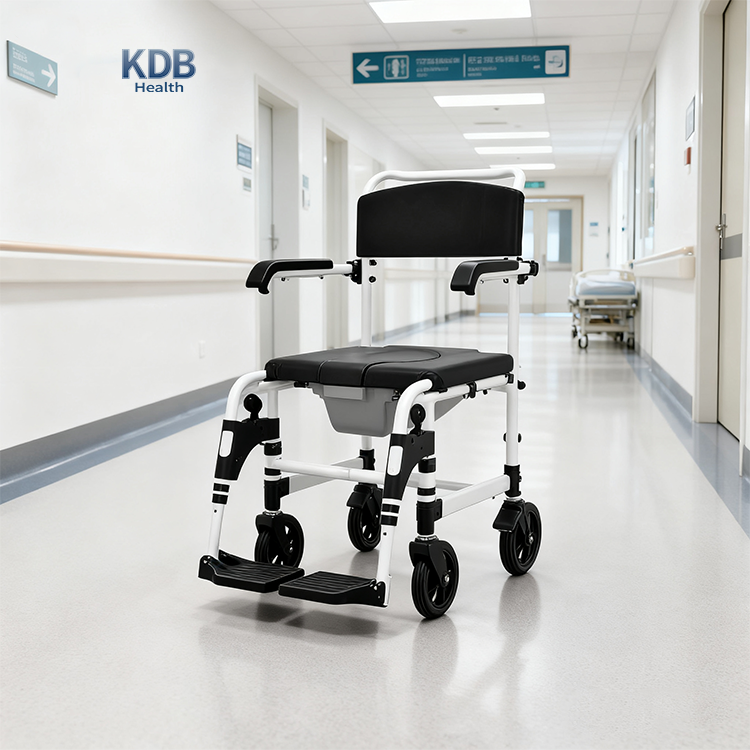
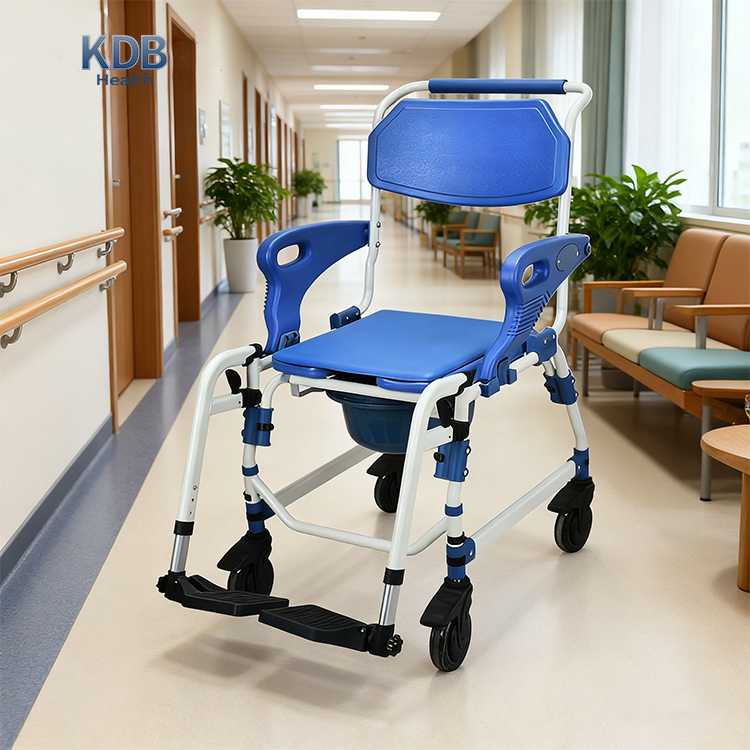
Inventory risk: If a trend changes and the customer is not interested in the particular commode chair, it can ruin a small business if there is still unsold inventory on hand.
Lack of testing: If you don't have the capacity to test your product, you can't get real world feedback or make improvements to your product-market fit.
The solution is not to give up manufacturing, but to partner with someone that can help you launch, learn, and scale incrementally, in the form of small batch medical equipment production.
What Is Low-MOQ ODM Manufacturing?
Unlike OEM, ODM is quite distinct. An ODM model is where the factory already has the product designs, moulds and tools ready. They have validated the engineering, tested the materials and acquired CE/FDA certification of their standard product lines. Because the tooling is covered already by the manufacturer they are able to offer a lot lower minimum order volumes to around as low as 100-200 for each order size.
With ODM of private label healthcare products, you don't begin with a clean slate. You decide what base model you want to use (a 3-in-1 commode chair for instance, or a lightweight rollator), what branding (logo printing, color, packaging), and what a manageable first order will be. This does a great deal to bring down the cost of entry and make it possible for smaller distributors to compete with larger brands.
Benefits of Low MOQ for Growing Brands
Test New Markets with Minimal Risk
If you are not sure about a full container of bariatric commode chairs you can order a smaller quantity (such as 150) and try them out in a specific area or with a specific retail partner. Track sales, customer feedback, and returns and scale-up what's successful.
Diversify Product Portfolios
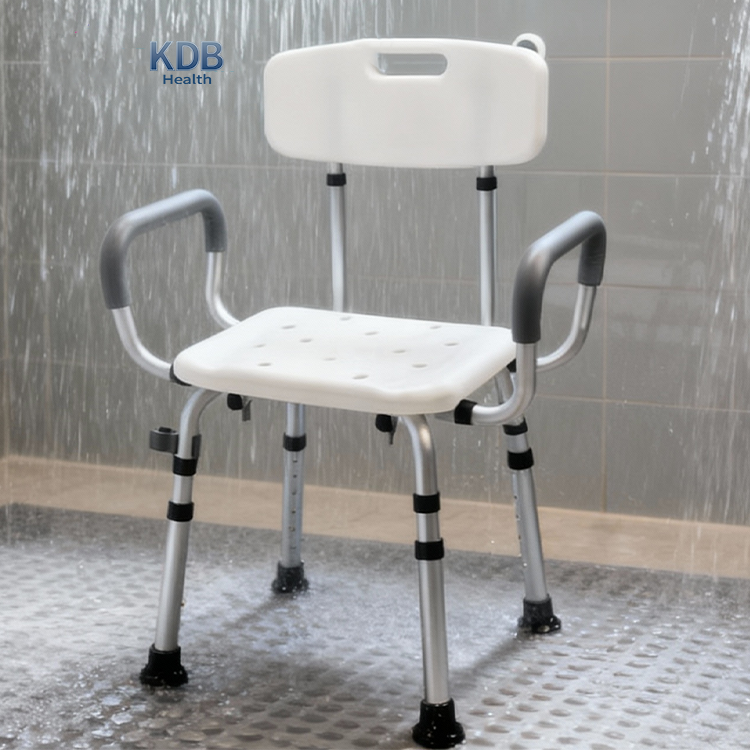
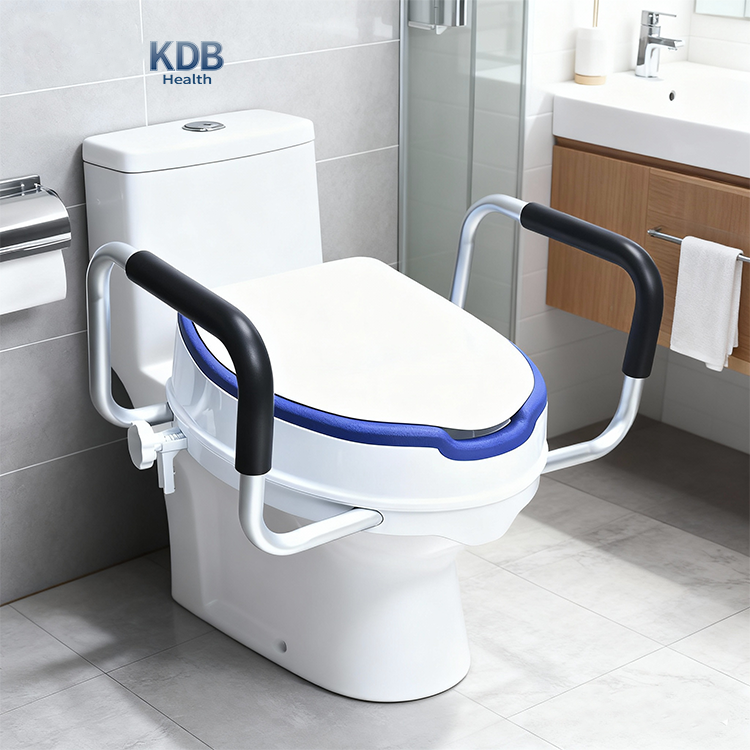
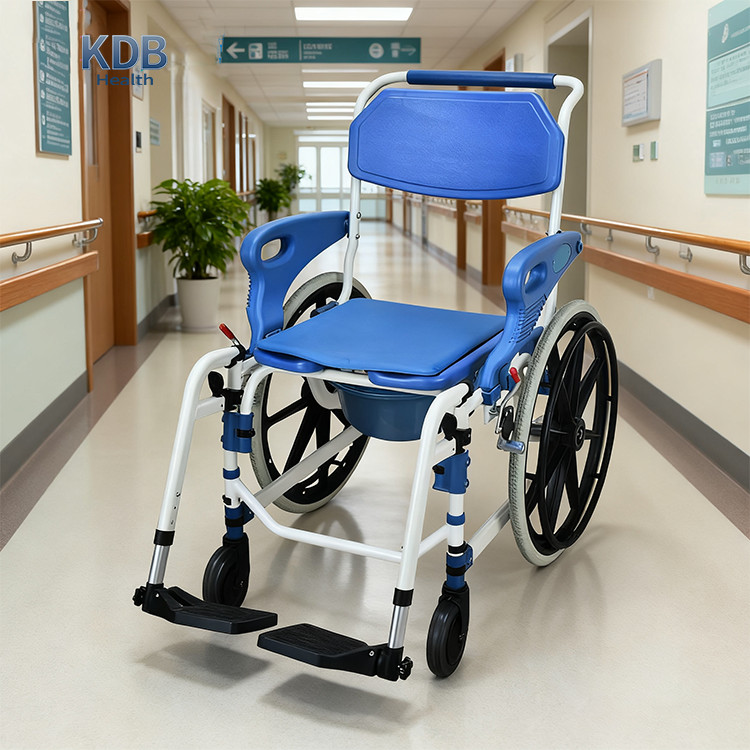
Low MOQs mean you can carry more SKUs, like shower chairs, toilet handrails, bedside rails, walking frames without sweating it in any particular area. This diversification minimizes reliance on any single product, and serves more people.
Faster Inventory Turnover
Smaller orders, more frequently, would correspond to just in time inventory. You get better cash flow, and lower warehousing expenses. You had 1000 commode chairs, but you order 200 and sell out for 3 months, then reorder according to demand.
Adapt Quickly to Regulatory or Design Changes
Consumer preferences and regulatory requirements (such as CE MDR updates) can change. Low-MOQ partners enable you to make changes to product designs or compliance documents without scrapping thousands of obsolete products.
What to Look for in a Low-MOQ ODM Partner
Low MOQs aren't guaranteed by all manufacturers and even when they do supply, they might sacrifice quality. When assessing potential partners consider these factors:
Standard product catalogue: The factory should have a wide collection of standard products available with certifications already obtained. KDB Health, for instance, has more than 100 models of commode chairs, shower chairs and walking aids that are CE/FDA compliant and ISO 13485 certified.
Flexible customisation: Customization of packaging, colors and logo even at low MOQ. There are also some suppliers which may provide “semi-custom” variants, which may allow for branding without too many changes in the engineering.
Transparent pricing: Low MOQ cost is often more per unit than container orders, but must be compensated. Request tiered pricing to understand the savings you'll receive as you scale.
Rapid prototyping: If you want something new (such as a different caster type, or armrest height), you may need a sample on a quick schedule; KDB Health has a 15 day turnaround for samples, which is pretty quick.
Managing Costs with Low-MOQ ODM
Although per unit cost is more expensive for smaller quantities, it may be cheaper when considering inventory holding, financing and obsolescence. Here are some tips on how to save money:
Standardization: Avoid any new charges for tooling and select from the factory's existing molds and tooling.
Consolidated shipping: Ship combined multiple low-MOQ items (e.g., commode chairs + shower chairs + rollators) to ship fewer items per LCL (Less than Container Load) to reduce freight cost per item.
Scaling: Order a small batch of the product and collect sales information, scale up the product that's selling well and keep small runs of the products that are not selling.
Why KDB Health Is the Ideal Low-MOQ ODM Partner
KDB Health was created to help empower any healthcare brand, no matter its size. We offer an ODM service with the following:
Low MOQs from 100 units for some standard models.
CE, FDA, and ISO 13485-certified products—no need to re-certify your private label.
15-day rapid prototyping for minor customizations.
Dedicated e-commerce support of packaging and listings for optimization for Amazon.
Flexible shipping options—combine several products into a single LCL shipment and save on costs.
We know that for growing brands agility is the key, not volume. We support you to build a competitive product portfolio at your own speed, without compromising the quality or compliance of your medical equipment order, and with minimum order quantities.
Conclusion
Small batch medical equipment manufacturing offers a good route to market for small and medium sized distributors and a way for both to grow. This minimizes financial risk, provides diversification across the portfolio and provides quick feedback to the market. KDB Health will be your partner for the long-haul – with flexible MOQs, certified quality and end-to-end support. We encourage you to contact us today for any inquires on product requirements you may need and to inquire about the solutions that will allow you scale your private label healthcare products with reliability.