 EN
EN
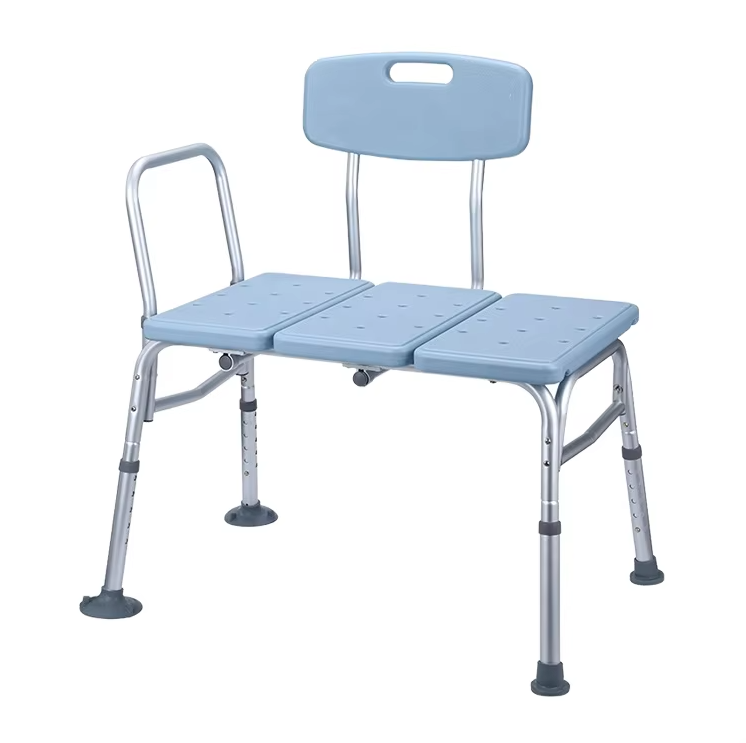
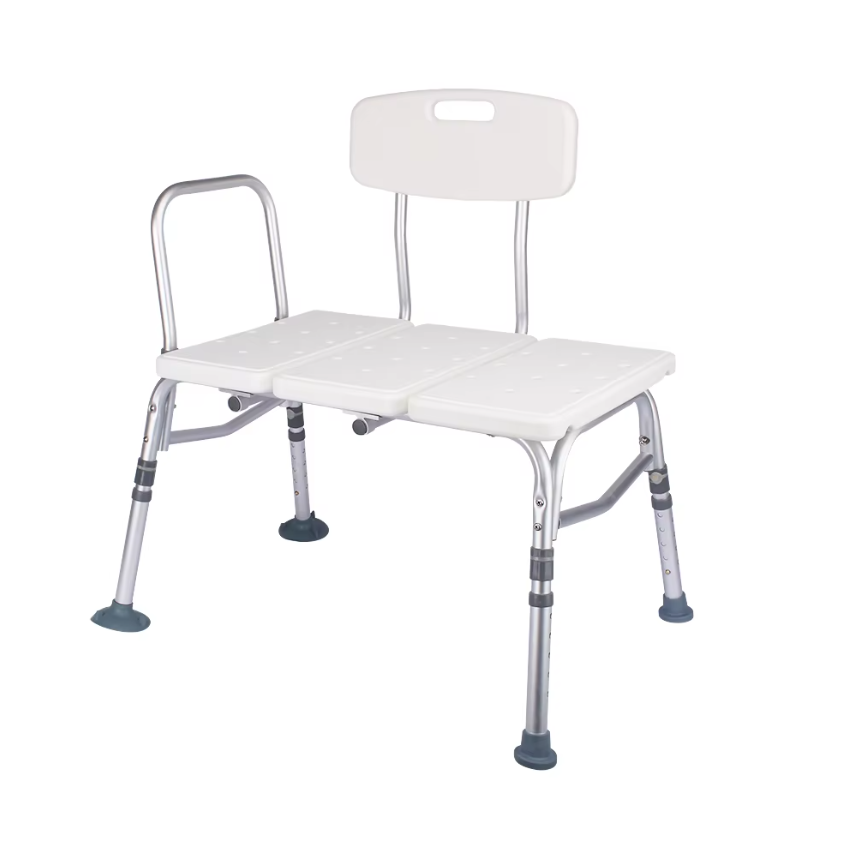
To small and medium distributors in the home healthcare and rehabilitation market it is a challenge as well as an opportunity to stand out in a crowded field. As big players tend to do it with the price, small distributors are able to create unique brands, generate loyalty, and gain healthier margins by engaging in strategic differentiation. Offering custom medical equipment that fits in a particular market is one of the best methods to achieve this. This paper discusses how custom solutions, especially within such categories as shower chairs, commode chairs and mobility aids, can change profitability and business value of a distributor in the long-term.
The Profit Challenge for Small and Mid-Sized Distributors
Medical equipment distributors are under pressure due to the presence of price sensitive purchasers, commoditization of their products and the entry of giant competitors with economies of scale. When the generic un branded products are being sold, margins diminish rapidly as the buyers compare prices among several sources. Loyalty of the customers is weak, and the switching cost is low without unique characteristics or branding. To escape this cycle, it is necessary to turn into a value-added partner (not a passive reseller) which can be initiated through customization.
Custom Medical Equipment as a Competitive Advantage
The provision of custom medical equipment enables distributors to make differentiation where generic products cannot do so. Customization may involve own branding, regional color schemes to suit regional tastes, special sizing or unique features to address particular user requirements. To illustrate, a distributor who serves nursing homes could provide shower seats with improved hard-water resistance or commode seats that can be adjusted without tools to ease the work process of caregivers. These modifications show market savvy, and generate confidence among institutional purchasers.
Brand Differentiation: Building Long-Term Value
To the small and medium-sized distributors, sustainable growth is impossible without brand differentiation. Generic products fail to develop brand equity. On the other hand, custom medical equipment generates a physical brand identity that appeals to end users and procurement decision-makers.
Tailor made packaging, local language instruction manuals and designs on quality and safety build to a brand trust. Hospitals, nursing homes and home care agencies develop trust on a distributor that has been able to provide consistently reliable, designed products. This trust will be translated to recurring business, referral and providing premium prices. Customization into a brand is one of the most sustainable competitive advantages that distributors can enjoy in a bid to grow.
Low MOQ Products: Accessible Customization for Smaller Distributors
The typical obstacle to customization is the belief that it involves huge order quantities. High minimum order quantities (MOQs) are imposed by many manufacturers that lock out small distributors. Nonetheless, progressive suppliers understand that giving more power to smaller suppliers is beneficial to both parties. Customization has become affordable using Low MOQ products, and the distributors can test new variations, research and develop inventory over time, and react to market feedback without taking much financial risk.
B2B ROI: Measuring the Returns on Customization
In the case of custom equipment programs, B2B ROI must be assessed on a variety of levels. The nearest payoff is in the form of better gross margins: custom products are generally sold at a higher price and the sourcing costs remain the same (or even lower) when collaborating with an effective manufacturing partner.
Besides margin improvement, customization yields returns in terms of retaining more customers. When a distributor provides branded equipment to the buyer, they will be more integrated within the supply chain of the buyer. To move to a competitor would imply reconsiderations to specifications, retraining of personnel and even a sacrifice of features that are appreciated. This stickiness is converted into the predictable recurring revenues and reduced customer acquisition expenses in the long run.
Partnering for Success: What to Look for in a Supplier
In order to realize the profit potential of custom medical equipment, it will be important to identify the appropriate manufacturing partner. Distributors need to find suppliers who have design capabilities, regulatory capability (including ISO 13485, CE and FDA), and operational flexibility to support low MOQ products. Fast prototyping- 15 days to concept-to-sample- Rapid prototyping capabilities allow distributors to go directly to market with their idea first, taking advantage of opportunities before their rivals.
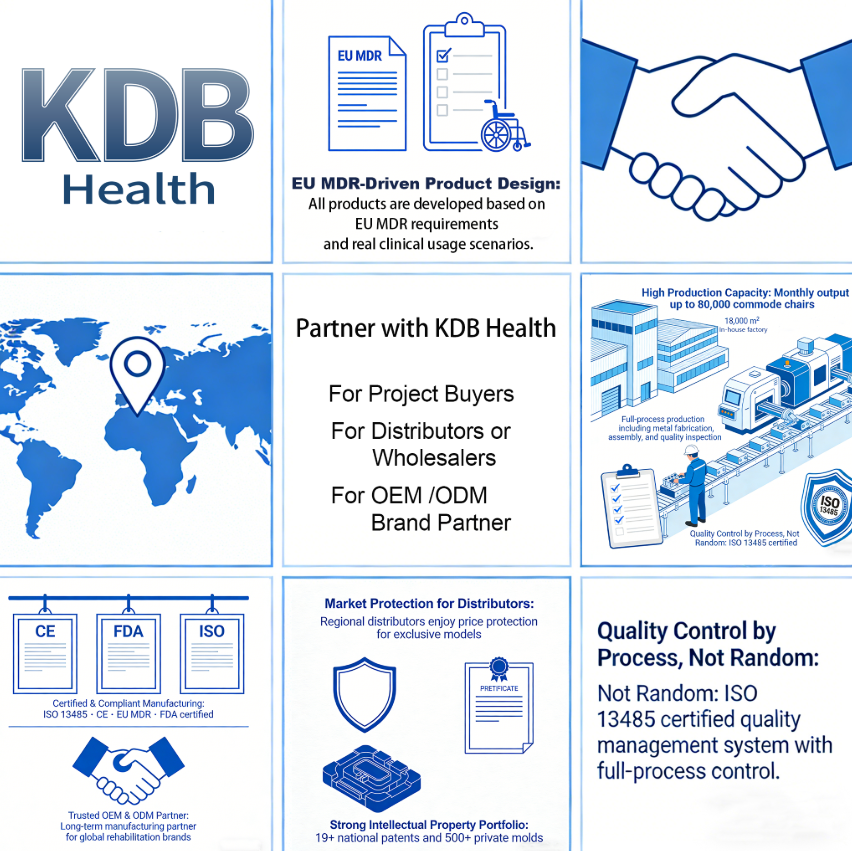
This combination of capabilities is offered by KDB Health, which consists of specialized divisions KDB Medical and Sangohe. Through in-house research and development, a tradition of quality systems, and a partner-based business model, we help small and medium-sized distributors create unique product lines to generate brand differentiation and provide a quantifiable B2B ROI.
Conclusion
Custom medical equipment can help small and mid-sized distributors avoid the price-based competition and establish a sustainable and profitable business. Distributors can improve their operations by using low MOQ products to achieve customization, focusing in brand differentiation to create long-term value, and quantifying of B2B ROI in margins, retention, and market positioning.
Table of Contents
- The Profit Challenge for Small and Mid-Sized Distributors
- Custom Medical Equipment as a Competitive Advantage
- Brand Differentiation: Building Long-Term Value
- Low MOQ Products: Accessible Customization for Smaller Distributors
- B2B ROI: Measuring the Returns on Customization
- Partnering for Success: What to Look for in a Supplier
- Conclusion